DesignOfEverydayThings - Conceptual Models
- A conceptual model is an explanation, usually highly simplified, of how something works.
- Ex. There are folders in screen, but it doesn't means there is really a folder in disk
- Ex. User browse data in PC and think it's a data in PC, but data is in cloud actually.
- Ex. User browse a page and think there is a real page, but it's runtime generated

- A product has many kinds of conceptual models
- Ex. User's conceptual model
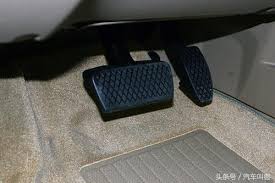
- Ex. Advanced driver's conceptual model

- Ex. Engineer's conceptual model

- Ex. Designer's conceptual model

- Conceptual models are often inferred from the device itself. Some models are passed on from person to person. Some come from manuals.
- Some conceptual models come from experience, so wrong conceptual models let devices hard to use
- How things work come from user perceived structure
- Signifier
- Affordance
- Mappings
- Ex. Scissors

- The number of actions are limited
- Holes for putting something into
- Only fit for finger(s)
- Only accept possible fingers
- Only one thing can do after putting fingers
- Actions are visible
- Anti-Ex. Digital Watch

- Many buttons, unable to know conceptual models
- Not visible, need read manual
- Sometimes click longer time, sometimes need press more than one button at the same time
- Conceptual models provide a way to predicate what things will going to behave and what will not happen
- A bad conceptual model let user can only try to remember what will happen in every actions
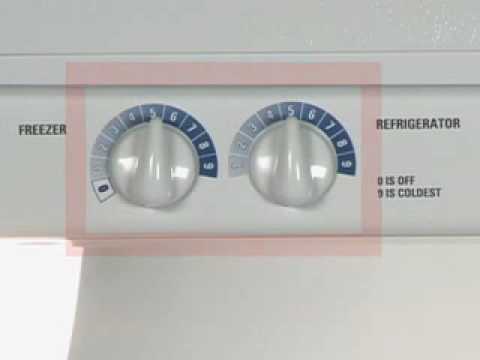
- Anti-Ex. Freezer control. It shows deepfreeze and fresh food are separated when it's not.It may provided wrong conceptual model when freezer may affect refrigerator
What to read next
Previous / Next
More like this